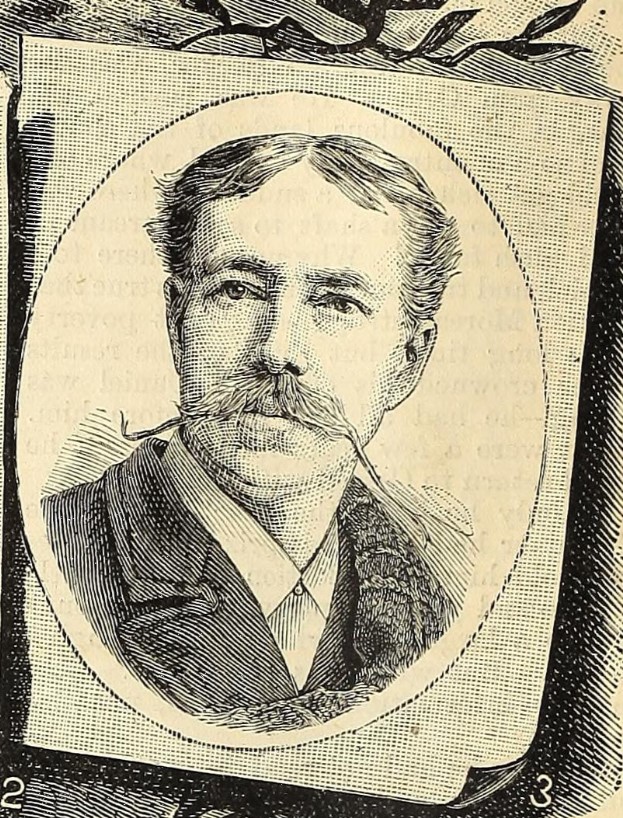
William Gordon Stables and the Peculiarities of Late-Victorian Modernity. Gordon Stables is mostly known as a boy’s adventure writer and caravanning pioneer. But he was also Greenland sealer, naval surgeon, dog fancier, medical writer, syndicated journalist, and by far the most widely used celebrity brand endorser of the quarter century before 1910. The story of his life lifts the lid on the eccentric modernity of the fin de siecle, offering parallels with contemporary culture which disturb our sense of the novelty of the internet age. For more, see here.
The Wellesley Index and the pattern of Victorian intellectual culture. The Wellesley Index offers a particularly rich way into exploring the patterns of intellectual culture in Victorian Britain. Who published in those key organs of serious journalism did much to shape the contours of public discourse in politics, literature and culture, and has certainly helped to constitute the field of Victorian Studies itself. Exploring a selection of the output of these journals offers potentially remarkable insights into the generational dynamics of the period. For more, see here.
Chambers’s Journal authorship records 1858-1874. This is a collaboration with the Curran Index to transcribe and then analyse the Author ledgers for Chambers’s Journal, initially for the period of the editorship of James Payn, from 1858 to 1874. Details of individual articles will be added to the Curran Index database. The underlying data will be used to explore issues of authorship and periodical production in the middle of the Victorian period. For further details, see here.
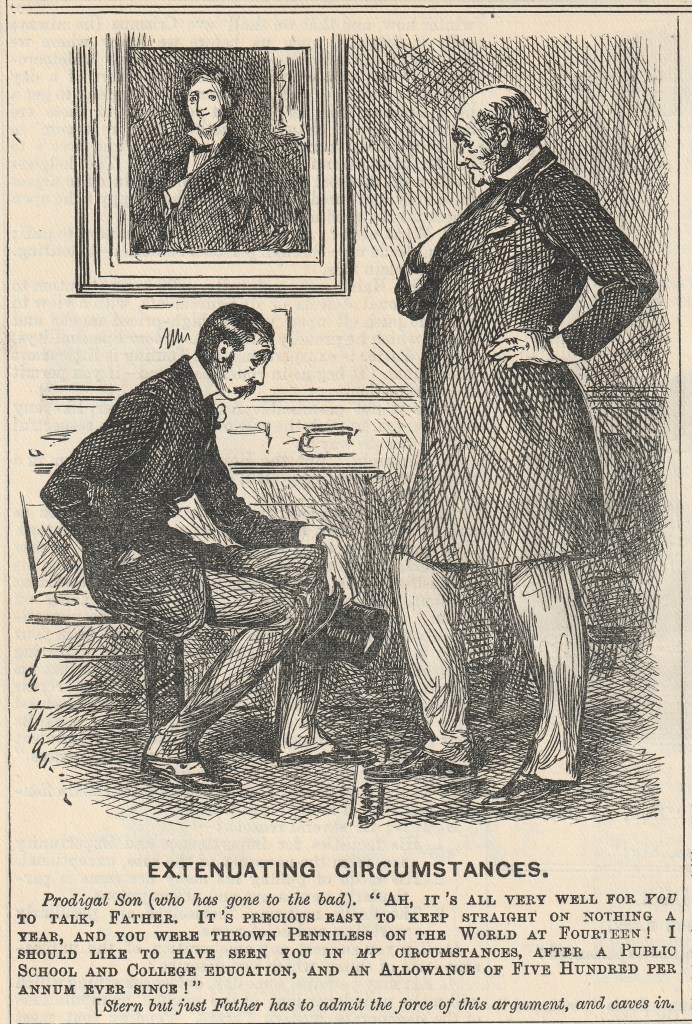
Victorian Generations. A project to develop the generational model and approach first outlined in ‘Victoria’s Victorians and the Mid-Victorians’, and explored in Darwinism’s Generations. The current intention is to publish a collective biography of the High Victorians, born c.1830-1845.
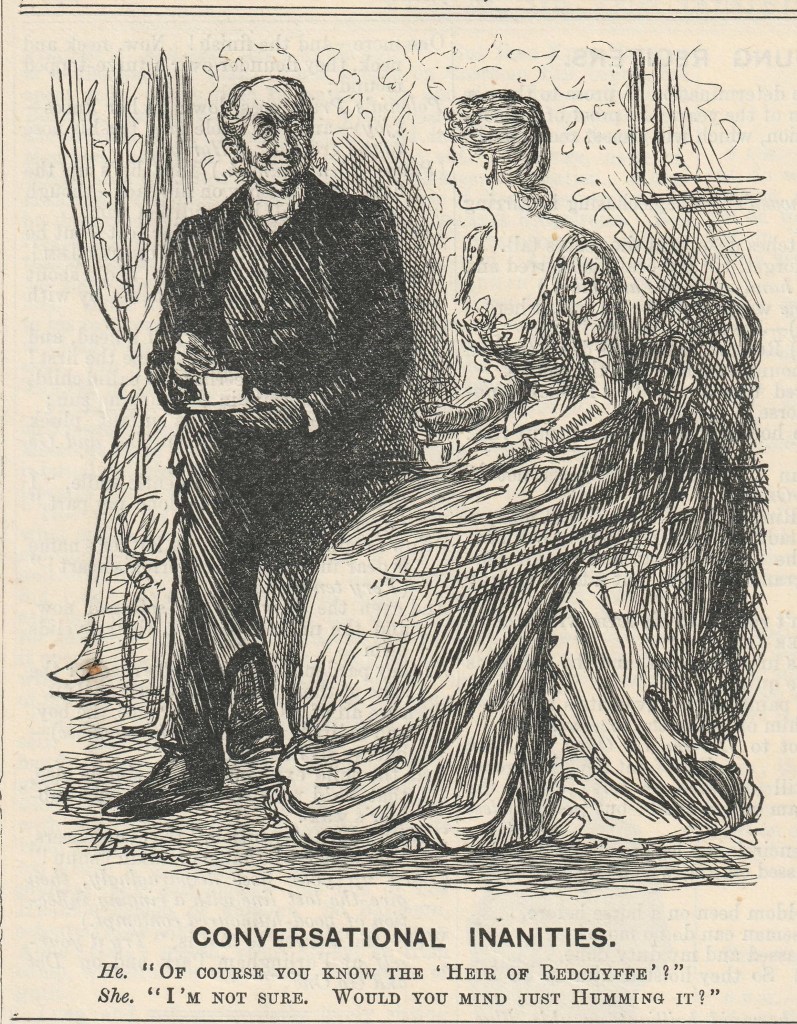
Victorian Talk. Examining Victorian conversational cultures. What as the importance of talk in a culture increasingly saturated by print? Who were the period’s great ‘talkers’, and why?
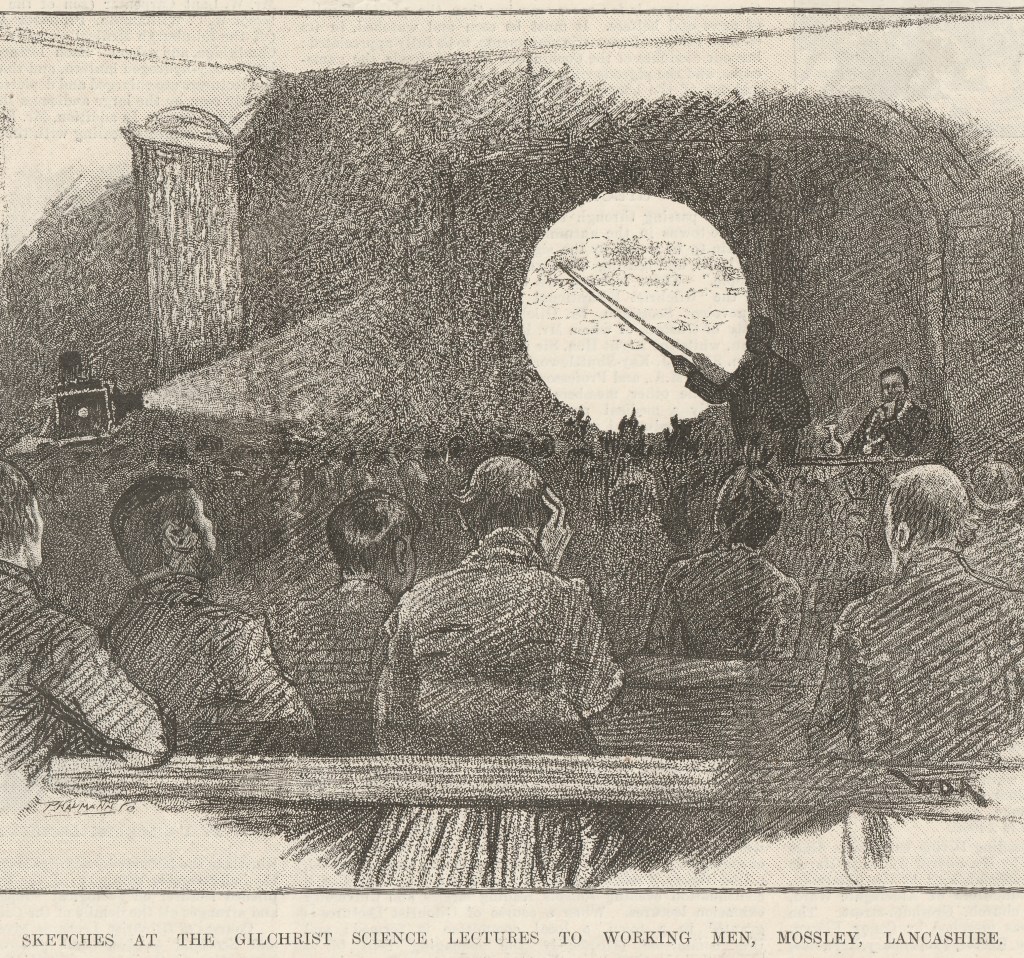
Public Lecturing in the Nineteenth Century. The public lecture pervaded Victorian culture in a way trumped only by the periodical, operating in a multitude of forms and contexts, and underpinning a significant portion of its literary output. I’ve been writing on the nineteenth century public lecture since the start of my academic career, and collecting materials for a large scale study.
The Letters of John Tyndall, Volume 16. With Ian Hesketh (University of Queensland) and Henry-James Meiring (Griffith University), I am editing the 16th volume of the collected letters of the Victorian physicist and X-Club member John Tyndall, a project of York University, Toronto/University of Pittsburgh Press. The volume covers the years 1881-1885, at at time when Tyndall was at the height of his public prominence. Publication due 2025/26.
 Martin Hewitt